Bird DNA Testing: Sexing, Species ID, and Health Screening Explained
Why Bird DNA Testing Matters
Bird keeping and breeding present unique challenges that DNA testing is uniquely suited to solve. Many bird species are sexually monomorphic — males and females look identical. Others have uncertain origins or hybrid backgrounds. And like all animals, birds carry genetic health risks. Avian DNA testing addresses all of these challenges.
Bird Sexing: The Most Common DNA Test
The Problem of Monomorphism
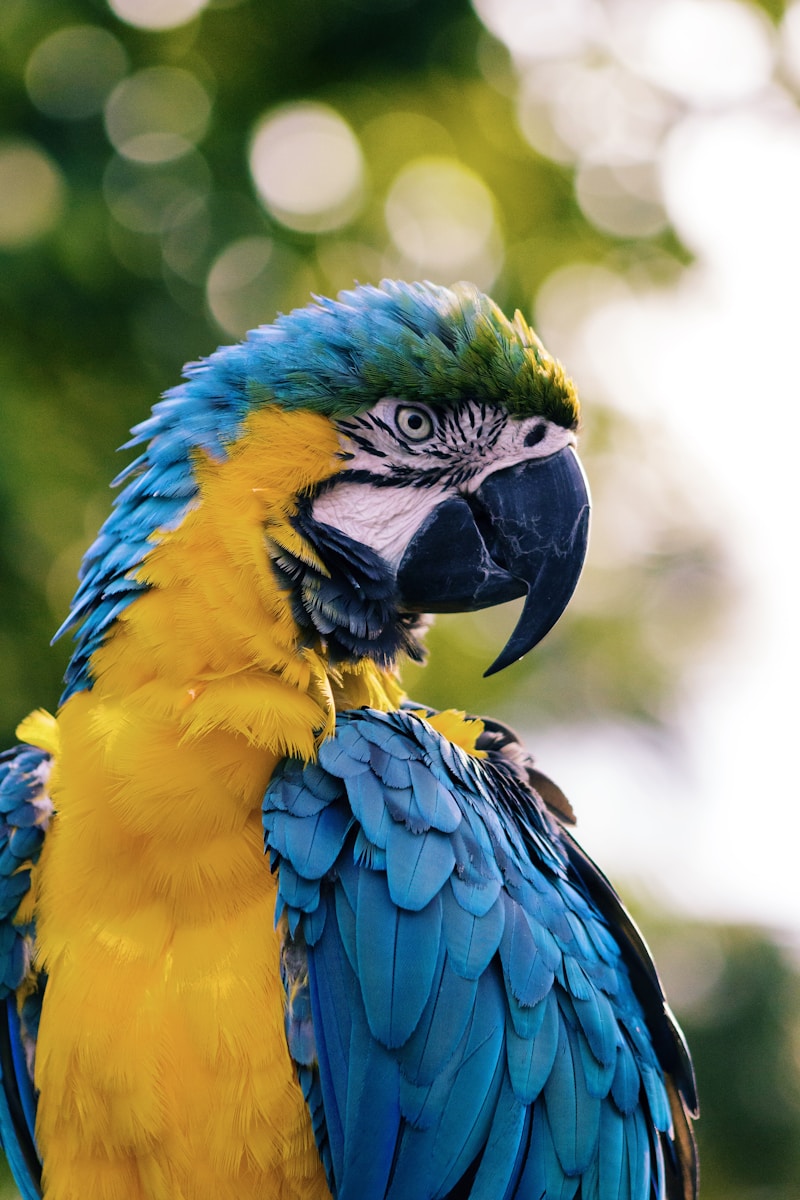
In many popular bird species — including most parrots, cockatoos, and finches — males and females are visually indistinguishable. You can't tell a male African Grey from a female by looking at them. This creates real problems for breeders who need to pair birds and for owners who want to understand their bird's behavior and health risks.
How DNA Sexing Works
Unlike mammals, where sex is determined by X and Y chromosomes, birds use a ZW system. Male birds have two Z chromosomes (ZZ), while females have one Z and one W (ZW). DNA sexing tests detect the presence of the W chromosome — if it's present, the bird is female; if absent, the bird is male.
The test requires only a small feather or blood sample and is nearly 100% accurate. Results are typically available within a week, making it far faster and more reliable than behavioral sexing methods.
Why Sex Matters
Knowing your bird's sex isn't just about satisfying curiosity. Sex influences:
- Behavior: Female birds may lay eggs, which carries health risks like egg binding
- Breeding: Proper pairing requires knowing each bird's sex
- Health monitoring: Female birds need calcium supplementation for egg production
- Noise levels: In some species, males are more vocal
Species and Hybrid Identification
Confirming Species
With thousands of bird species and many look-alike subspecies, visual identification can be challenging. DNA testing can confirm the exact species of your bird, which is important for:
- Legal compliance: Some species are protected and require documentation
- Proper care: Different species have different dietary and environmental needs
- Breeding programs: Ensuring pure species pairings
Detecting Hybrids
Hybridization is common in captivity, particularly among closely related parrot species. DNA testing can identify hybrid birds, which is crucial for conservation breeding programs that aim to maintain pure species lines.
Avian Disease Screening
Psittacine Beak and Feather Disease (PBFD)
PBFD is a serious viral disease affecting parrots and cockatoos, causing feather loss, beak deformity, and immune suppression. DNA testing can detect the virus in birds before symptoms appear, allowing for isolation and management to prevent spread to other birds.
Psittacosis (Avian Chlamydiosis)
This bacterial infection can affect both birds and humans. DNA testing detects the pathogen, allowing for treatment before the bird becomes symptomatic and before transmission to other birds or family members.
Other Screenable Conditions
- Avian Bornavirus (PDD): Causes proventricular dilatation disease, a fatal neurological condition
- Polyomavirus: A deadly disease particularly dangerous to young birds
- Avian Circovirus: Related to PBFD, affecting multiple bird species
How to Collect a Bird DNA Sample
Bird DNA testing typically uses one of two sample types:
Feather Sampling
The most common and least invasive method. You pluck 2-3 small feathers from the bird's chest, ensuring the feather tip (where DNA is concentrated) is included. The feathers are placed in a sealed bag and mailed to the lab.
Blood Sampling
A small blood sample, usually collected from a toenail clip, provides more DNA and is sometimes preferred for disease testing. This should be done by or under the guidance of a veterinarian.
Who Should Test Their Bird?
New Bird Owners
If you've recently acquired a bird, DNA testing provides a baseline of information — sex, species confirmation, and disease screening. This is especially important if you have other birds at home, as new arrivals can carry diseases that spread quickly in aviary settings.
Breeders
For breeders, DNA testing is essential. Sexing ensures proper pairing, species confirmation maintains breeding integrity, and disease screening protects the entire flock. Responsible breeders test new additions before introducing them to their aviary.
Multi-Bird Households
If you keep multiple birds, disease screening protects your flock. PBFD and polyomavirus can spread rapidly through an aviary, and early detection through DNA testing can prevent devastating losses.
The Growing Field of Avian Genetics
Avian genetics is a rapidly expanding field. The chicken genome was sequenced in 2004, and since then, genomes of many other bird species have been mapped. As more birds are tested and the reference databases grow, we'll see advances in:
- Color mutation genetics: Understanding the genes behind specific color varieties
- Longevity genetics: Identifying variants associated with longer lifespan
- Behavioral genetics: Understanding the genetic basis for tameness, vocalization, and social behavior
Bird DNA testing has come a long way from simple sexing. Today's tests provide a comprehensive genetic profile that helps owners and breeders make informed decisions about their birds' health, breeding, and care — ensuring these remarkable animals thrive in captivity for generations to come.
Order a DNA Sample Kit
Start your animal’s genetic profile by ordering a trusted lab-grade DNA sample kit and mailing back your sample for analysis.
Browse DNA Kits on AmazonHealth & Wellness Markers
DNA results reveal breed-specific health markers — screens for pathogens, carrier genes, and risk indicators that keep your animal safe.
Explore Health ScreenersBreed Composition Insights
Understand your animal’s exact genetic breed breakdown, which drives everything from diet optimization to behavioral expectations.
Learn About Breed AnalysisAs an Amazon Associate, we earn from qualifying purchases. Links are educational, not medical advice.
Pet DNA Test Kit
Reveal breed, health & ancestry.
Shop on Amazon
Canine Genetic Health Screen
Lab-grade disease & carrier screening.
Shop on Amazon
Joint Health Supplements
Support mobility as they age.
Shop on Amazon
Vet-Recommended Vitamins
Vitamin therapy tailored to breed.
Shop on Amazon
Premium Pet Food
Nutrition matched to breed needs.
Shop on AmazonBreed-Specific Diet Blends
Formulas designed for genetic heritage.
Shop on Amazon
Pet Activity Monitors
Track health, sleep & exercise.
Shop on Amazon
GPS Pet Trackers
Real-time location & safety collars.
Shop on Amazon
Pet Insurance
Protect your animal for years.
Shop on Amazon
Breed Reference Guides
Understand breed-specific traits.
Shop on Amazon
Genetic Genealogy Books
Deep dives into animal genetics.
Shop on AmazonBloodline Health Screens
Genetic screens for pathogens & risk.
Shop on AmazonAs an Amazon Associate, Animal Ancestry earns from qualifying purchases. Links are educational, not medical advice.
The Ancestor's Tale
Richard DawkinsA pilgrimage back through evolution, uniting humans and animals in one shared tree of life.
View on AmazonYour Inner Fish
Neil ShubinHow the human body — and every mammal — still carries the blueprint of ancient fish and reptiles.
View on AmazonThe Song of the Dodo
David QuammenIsland biogeography and the deep science of how species branch, diverge, and disappear.
View on AmazonThe Violinist's Thumb
Sam KeanA lively history of DNA — how decoding the genome rewrote our understanding of every living thing.
View on AmazonThe Gene: An Intimate History
Siddhartha MukherjeeThe sweeping story of heredity, from Mendel’s peas to modern genomics that now reads our pets.
View on AmazonDog Sense
John BradshawWhat science actually says about how dogs think, feel, and became humanity’s oldest companion.
View on AmazonCat Sense
John BradshawHow a wild predator became our housecat — and why feline instincts still rule the modern home.
View on AmazonThe Genius of Dogs
Brian Hare & Vanessa WoodsThe cognitive science of canine intelligence, breeding, and what DNA reveals about dog minds.
View on AmazonInside of a Dog
Alexandra HorowitzA dog’s-eye view of the world, grounded in biology, perception, and ancestry.
View on AmazonMammals: A Very Short Introduction
T. S. KempA concise, expert guide to the 200-million-year story of the mammals — including your pet.
View on AmazonThe Rise and Fall of the Mammals
Steve BrusatteThe new fossil-and-DNA history of the mammals that came to rule the Earth after the dinosaurs.
View on AmazonGenome: The Autobiography of a Species
Matt RidleyA chapter-by-chapter tour of the genome that makes every animal — and us — who we are.
View on AmazonAs an Amazon Associate, Animal Ancestry earns from qualifying purchases. Links are educational, not medical advice.
Discover Your Animal's Genetic Story
Get a complete DNA report with ancestry, health insights, and diet recommendations.
Get StartedGo Deeper With Premium
Unlock everything your animal's DNA can tell you — for less than a cup of coffee a month.
- Full health marker screening
- Personalized diet plans
- Relative matching & family trees
- Cold case contributions
Cancel anytime · Secure payment