Cat Breeds and Health: What Your Feline's Genetics Reveal
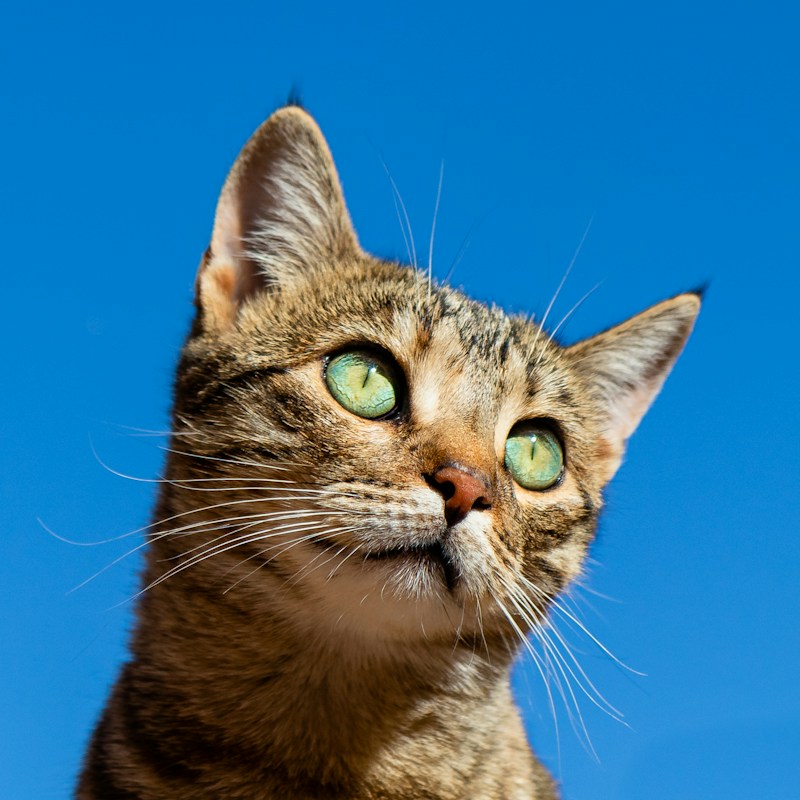
Your Cat's Genetics Hold the Key to Better Health
Cats are often seen as low-maintenance pets compared to dogs, but feline genetics tell a complex and important story. From breed-specific health conditions to behavioral tendencies, understanding your cat's DNA can dramatically improve their quality of life — and potentially extend it.
Why Cat DNA Testing Matters
Unlike dogs, where most pets are mixed breeds, many cats are either purebred or have identifiable breed ancestry. Even domestic shorthairs — the common "mutt" of the cat world — carry genetic markers that reveal their ancestry and health risks.
Cat DNA testing provides three critical types of information:
- Breed and ancestry: Understanding your cat's genetic heritage
- Health screening: Detecting inherited disease risks
- Physical traits: Predicting coat type, color genetics, and more
Common Feline Genetic Health Conditions
Polycystic Kidney Disease (PKD)
PKD is one of the most common inherited diseases in cats, particularly affecting Persian cats and their crosses. It causes fluid-filled cysts to develop in the kidneys, eventually leading to kidney failure. A single genetic variant causes the disease, and DNA testing can identify cats who carry it.
If your cat tests positive for PKD, regular kidney monitoring through bloodwork and ultrasound can catch changes early. While there's no cure, early intervention through diet and medication can significantly slow disease progression.
Hypertrophic Cardiomyopathy (HCM)
HCM is the most common heart disease in cats, causing thickening of the heart muscle. Genetic variants associated with HCM have been identified in Maine Coon and Ragdoll cats. Cats with these variants should receive regular cardiac ultrasounds (echocardiograms) to detect heart changes before they become dangerous.
Progressive Retinal Atrophy (PRA)
PRA causes progressive vision loss leading to blindness. Several genetic forms exist in cats. While there's no cure, knowing your cat's status allows you to prepare your home for vision loss — keeping furniture layouts consistent and providing tactile cues.
Blood Type Incompatibility
Cats have different blood types (A, B, and AB), and the distribution varies by breed. Blood type testing is crucial before any blood transfusion and for breeding — mating a type B queen with a type A tom can lead to neonatal isoerythrolysis, a fatal condition in kittens.
How Breed Knowledge Improves Cat Care
Animal Ancestry provides detailed breed analysis that helps you understand your cat's unique needs:
Dietary Considerations
Different breeds have different nutritional requirements. Large breeds like Maine Coons benefit from joint-supporting nutrients. Active breeds like Bengals need more calories. Understanding your cat's breed mix helps you choose the right food.
Grooming Needs
Long-haired breeds like Persians need daily grooming to prevent matting. Short-haired breeds may need less frequent grooming but can still benefit from regular brushing. Knowing your cat's coat genetics helps you maintain their coat properly.
Behavioral Understanding
Breed influences personality in cats just as it does in dogs:
- Siamese: Vocal, social, demanding of attention
- Persian: Calm, quiet, prefers gentle handling
- Bengal: High energy, needs lots of stimulation
- Ragdoll: Docile, affectionate, tends to go limp when held
- Scottish Fold: Sweet-natured but may have cartilage-related discomfort
Understanding your cat's breed composition helps you provide appropriate enrichment and set realistic behavioral expectations.
The Life-Saving Potential of Health Screening
Consider this scenario: Your apparently healthy 3-year-old cat tests positive for a genetic variant associated with HCM. Your veterinarian recommends annual echocardiograms. At age 5, an ultrasound detects early heart changes. Medication is started immediately, before any symptoms develop.
This is the power of genetic health screening — catching disease early, when treatment is most effective. Without testing, the first sign of HCM might be sudden heart failure.
Who Should Test Their Cat?
Purebred Cat Owners
If you have a purebred cat, genetic testing is essential. Breed-specific health risks are well-documented, and knowing your cat's status allows for proactive health management.
Mixed-Breed Cat Owners
Even domestic shorthairs carry genetic health risks. Mixed-breed cats can inherit disease variants from any breed in their ancestry. DNA testing reveals these hidden risks.
Breeders
Responsible breeders test their breeding cats for known genetic diseases to avoid producing affected kittens. Breeding two carriers of the same condition has a 25% chance of producing affected offspring.
Multi-Cat Households
If you're introducing a new cat to your household, genetic disease screening protects your existing cats from contagious conditions and helps you understand each cat's health profile.
Take Control of Your Cat's Health Today
Your cat can't tell you when something's wrong — but their DNA can. Genetic testing reveals health risks years before symptoms appear, giving you the power to act early and protect your cat's future.
Don't wait for illness to strike. Discover your cat's genetic story with Animal Ancestry and give them the proactive care they deserve. Start today — every day counts when it comes to your cat's health.
*Empower yourself with knowledge — in pet health and in life. Visit fightgaslighting.ca to learn about recognizing manipulation, and legislationnation.ca to understand your rights as a pet owner.
Order a DNA Sample Kit
Start your animal’s genetic profile by ordering a trusted lab-grade DNA sample kit and mailing back your sample for analysis.
Browse DNA Kits on AmazonHealth & Wellness Markers
DNA results reveal breed-specific health markers — screens for pathogens, carrier genes, and risk indicators that keep your animal safe.
Explore Health ScreenersBreed Composition Insights
Understand your animal’s exact genetic breed breakdown, which drives everything from diet optimization to behavioral expectations.
Learn About Breed AnalysisAs an Amazon Associate, we earn from qualifying purchases. Links are educational, not medical advice.
Pet DNA Test Kit
Reveal breed, health & ancestry.
Shop on Amazon
Canine Genetic Health Screen
Lab-grade disease & carrier screening.
Shop on Amazon
Joint Health Supplements
Support mobility as they age.
Shop on Amazon
Vet-Recommended Vitamins
Vitamin therapy tailored to breed.
Shop on Amazon
Premium Pet Food
Nutrition matched to breed needs.
Shop on AmazonBreed-Specific Diet Blends
Formulas designed for genetic heritage.
Shop on Amazon
Pet Activity Monitors
Track health, sleep & exercise.
Shop on Amazon
GPS Pet Trackers
Real-time location & safety collars.
Shop on Amazon
Pet Insurance
Protect your animal for years.
Shop on Amazon
Breed Reference Guides
Understand breed-specific traits.
Shop on Amazon
Genetic Genealogy Books
Deep dives into animal genetics.
Shop on AmazonBloodline Health Screens
Genetic screens for pathogens & risk.
Shop on AmazonAs an Amazon Associate, Animal Ancestry earns from qualifying purchases. Links are educational, not medical advice.
The Ancestor's Tale
Richard DawkinsA pilgrimage back through evolution, uniting humans and animals in one shared tree of life.
View on AmazonYour Inner Fish
Neil ShubinHow the human body — and every mammal — still carries the blueprint of ancient fish and reptiles.
View on AmazonThe Song of the Dodo
David QuammenIsland biogeography and the deep science of how species branch, diverge, and disappear.
View on AmazonThe Violinist's Thumb
Sam KeanA lively history of DNA — how decoding the genome rewrote our understanding of every living thing.
View on AmazonThe Gene: An Intimate History
Siddhartha MukherjeeThe sweeping story of heredity, from Mendel’s peas to modern genomics that now reads our pets.
View on AmazonDog Sense
John BradshawWhat science actually says about how dogs think, feel, and became humanity’s oldest companion.
View on AmazonCat Sense
John BradshawHow a wild predator became our housecat — and why feline instincts still rule the modern home.
View on AmazonThe Genius of Dogs
Brian Hare & Vanessa WoodsThe cognitive science of canine intelligence, breeding, and what DNA reveals about dog minds.
View on AmazonInside of a Dog
Alexandra HorowitzA dog’s-eye view of the world, grounded in biology, perception, and ancestry.
View on AmazonMammals: A Very Short Introduction
T. S. KempA concise, expert guide to the 200-million-year story of the mammals — including your pet.
View on AmazonThe Rise and Fall of the Mammals
Steve BrusatteThe new fossil-and-DNA history of the mammals that came to rule the Earth after the dinosaurs.
View on AmazonGenome: The Autobiography of a Species
Matt RidleyA chapter-by-chapter tour of the genome that makes every animal — and us — who we are.
View on AmazonAs an Amazon Associate, Animal Ancestry earns from qualifying purchases. Links are educational, not medical advice.
Discover Your Animal's Genetic Story
Get a complete DNA report with ancestry, health insights, and diet recommendations.
Get StartedGo Deeper With Premium
Unlock everything your animal's DNA can tell you — for less than a cup of coffee a month.
- Full health marker screening
- Personalized diet plans
- Relative matching & family trees
- Cold case contributions
Cancel anytime · Secure payment