Personalized Pet Nutrition: How DNA Shapes Your Animal's Diet
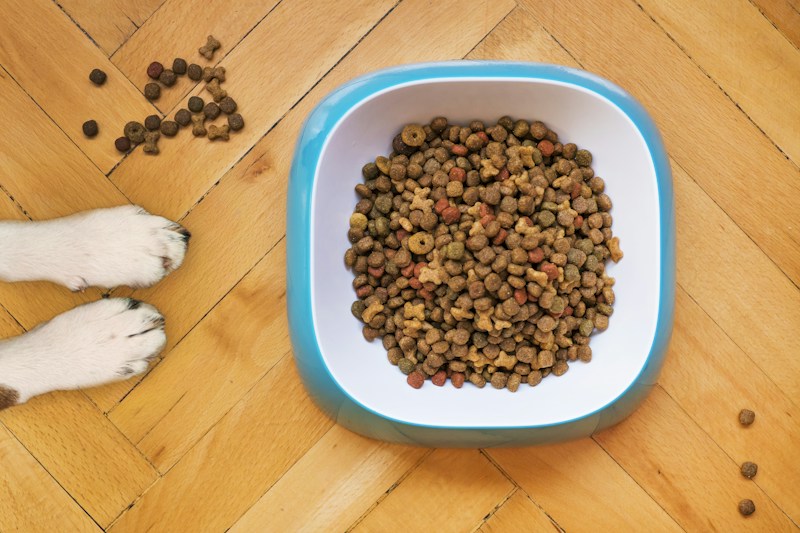
The End of One-Size-Fits-All Pet Food
For decades, pet nutrition has been based on species, age, and activity level. But every animal is genetically unique, and those genetic differences influence how they process nutrients, metabolize food, and respond to specific ingredients. DNA testing is ushering in a new era of truly personalized pet nutrition.
How Genetics Influence Nutritional Needs
Breed-Specific Metabolism
Different breeds have evolved to process food differently. Sled dogs like Siberian Huskies have genetic adaptations for high-fat diets and efficient fat metabolism. Toy breeds like Chihuahuas have faster metabolisms per pound of body weight and benefit from calorie-dense, frequent meals. Knowing your pet's breed composition helps tailor their macronutrient ratios.
Food Sensitivity Genes
Some pets carry genetic variants that make them more likely to develop sensitivities to certain ingredients. For example, certain breeds are predisposed to gluten sensitivity or grain intolerance. DNA testing can identify these predispositions, allowing you to choose diets that avoid problematic ingredients before issues arise.
Weight Management Genetics
Obesity is one of the most common health problems in pets, and genetics play a significant role. Some animals carry variants associated with increased appetite, slower metabolism, or tendency to store fat. Understanding your pet's genetic predisposition to weight gain helps you implement appropriate portion control and feeding strategies before obesity develops.
Building a DNA-Informed Diet Plan
Step 1: Know Your Pet's Breeds
Breed composition is the foundation of personalized nutrition. A dog that's 60% Labrador Retriever will have different nutritional needs than one that's 60% Greyhound — even if they're the same weight. Breed-informed nutrition considers:
- Ideal body composition for the breed mix
- Typical metabolic rate associated with those breeds
- Breed-specific sensitivities (e.g., Dalmatians need low-purine diets)
- Joint health support for breeds prone to dysplasia
Step 2: Screen for Health Conditions
Genetic health screening directly informs dietary choices:
- Dogs at risk for urinary stones may need special mineral-balanced diets
- Cats with PKD risk benefit from kidney-supportive nutrition
- Dogs with MDR1 mutation should avoid certain food additives
- Pets prone to obesity need carefully portioned, high-protein/low-fat formulas
Step 3: Consider Activity Genetics
Performance gene testing can indicate whether your dog is built for sprinting or endurance. Sprint-type dogs burn carbohydrates quickly and benefit from higher-carb diets. Endurance-type dogs efficiently burn fat and do well with higher fat content.
Practical Dietary Recommendations
For Mixed-Breed Dogs
If your dog is a mix of several breeds, focus on the dominant breeds' characteristics while being attentive to how your individual dog responds to different foods. Start with a high-quality diet appropriate for their size and energy level, then adjust based on:
- Coat quality — a dull coat may indicate fatty acid deficiency
- Digestion — loose stools or gas may signal food sensitivity
- Energy levels — lethargy or hyperactivity may indicate dietary imbalance
- Weight maintenance — difficulty maintaining ideal weight suggests dietary adjustment
For Purebred Dogs
Purebred dogs have well-documented breed-specific nutritional considerations. For example:
- Large breeds (Great Danes, Mastiffs) need controlled-calcium diets to prevent developmental bone disease
- Small breeds (Yorkies, Chihuahuas) need calorie-dense, small kibble sizes
- Deep-chested breeds (Great Danes, Shepherds) benefit from multiple small meals to reduce bloat risk
- Dalmatians need low-purine diets to prevent urinary stones
For Cats
Cats are obligate carnivores, meaning they require animal-based protein. Genetic testing can reveal breed influences that fine-tune their diet:
- Large breeds like Maine Coons benefit from joint-supporting nutrients
- Active breeds like Bengals need higher calorie intake
- Cats with HCM risk may benefit from taurine-rich diets for heart health
The Role of Supplements
DNA testing can also guide supplement choices. Pets with joint-related breed predispositions may benefit from glucosamine and chondroitin. Those with skin issues common to their breed mix may need omega-3 fatty acid supplements. Rather than guessing, genetic information helps you target supplementation where it's actually needed.
Working with Your Veterinarian
DNA-informed nutrition doesn't replace veterinary guidance — it enhances it. Share your pet's genetic results with your veterinarian to develop a feeding plan that considers both genetics and clinical health. Your vet can help translate genetic insights into specific food choices, portion sizes, and supplement recommendations.
Personalized pet nutrition is still an emerging field, but the foundation is clear: your pet's DNA contains valuable information about what they should eat. By combining genetic insights with quality ingredients and veterinary guidance, you can give your pet a diet that's truly tailored to their individual needs — supporting health, longevity, and vitality.
Order a DNA Sample Kit
Start your animal’s genetic profile by ordering a trusted lab-grade DNA sample kit and mailing back your sample for analysis.
Browse DNA Kits on AmazonHealth & Wellness Markers
DNA results reveal breed-specific health markers — screens for pathogens, carrier genes, and risk indicators that keep your animal safe.
Explore Health ScreenersBreed Composition Insights
Understand your animal’s exact genetic breed breakdown, which drives everything from diet optimization to behavioral expectations.
Learn About Breed AnalysisAs an Amazon Associate, we earn from qualifying purchases. Links are educational, not medical advice.
Pet DNA Test Kit
Reveal breed, health & ancestry.
Shop on Amazon
Canine Genetic Health Screen
Lab-grade disease & carrier screening.
Shop on Amazon
Joint Health Supplements
Support mobility as they age.
Shop on Amazon
Vet-Recommended Vitamins
Vitamin therapy tailored to breed.
Shop on Amazon
Premium Pet Food
Nutrition matched to breed needs.
Shop on AmazonBreed-Specific Diet Blends
Formulas designed for genetic heritage.
Shop on Amazon
Pet Activity Monitors
Track health, sleep & exercise.
Shop on Amazon
GPS Pet Trackers
Real-time location & safety collars.
Shop on Amazon
Pet Insurance
Protect your animal for years.
Shop on Amazon
Breed Reference Guides
Understand breed-specific traits.
Shop on Amazon
Genetic Genealogy Books
Deep dives into animal genetics.
Shop on AmazonBloodline Health Screens
Genetic screens for pathogens & risk.
Shop on AmazonAs an Amazon Associate, Animal Ancestry earns from qualifying purchases. Links are educational, not medical advice.
The Ancestor's Tale
Richard DawkinsA pilgrimage back through evolution, uniting humans and animals in one shared tree of life.
View on AmazonYour Inner Fish
Neil ShubinHow the human body — and every mammal — still carries the blueprint of ancient fish and reptiles.
View on AmazonThe Song of the Dodo
David QuammenIsland biogeography and the deep science of how species branch, diverge, and disappear.
View on AmazonThe Violinist's Thumb
Sam KeanA lively history of DNA — how decoding the genome rewrote our understanding of every living thing.
View on AmazonThe Gene: An Intimate History
Siddhartha MukherjeeThe sweeping story of heredity, from Mendel’s peas to modern genomics that now reads our pets.
View on AmazonDog Sense
John BradshawWhat science actually says about how dogs think, feel, and became humanity’s oldest companion.
View on AmazonCat Sense
John BradshawHow a wild predator became our housecat — and why feline instincts still rule the modern home.
View on AmazonThe Genius of Dogs
Brian Hare & Vanessa WoodsThe cognitive science of canine intelligence, breeding, and what DNA reveals about dog minds.
View on AmazonInside of a Dog
Alexandra HorowitzA dog’s-eye view of the world, grounded in biology, perception, and ancestry.
View on AmazonMammals: A Very Short Introduction
T. S. KempA concise, expert guide to the 200-million-year story of the mammals — including your pet.
View on AmazonThe Rise and Fall of the Mammals
Steve BrusatteThe new fossil-and-DNA history of the mammals that came to rule the Earth after the dinosaurs.
View on AmazonGenome: The Autobiography of a Species
Matt RidleyA chapter-by-chapter tour of the genome that makes every animal — and us — who we are.
View on AmazonAs an Amazon Associate, Animal Ancestry earns from qualifying purchases. Links are educational, not medical advice.
Discover Your Animal's Genetic Story
Get a complete DNA report with ancestry, health insights, and diet recommendations.
Get StartedGo Deeper With Premium
Unlock everything your animal's DNA can tell you — for less than a cup of coffee a month.
- Full health marker screening
- Personalized diet plans
- Relative matching & family trees
- Cold case contributions
Cancel anytime · Secure payment